How to Choose the Best Water Purifier for Your Home in Chennai
Access to clean and safe drinking water is essential for every family. With Chennai’s water sources ranging from borewell water to municipal supply and tanker water, selecting the right water purifier can make a significant difference to your family’s health.
This guide explains the key factors to consider before buying a water purifier and helps you choose the best solution based on your water quality and daily needs.
Why Do You Need a Water Purifier in Chennai?
Water supplied in Chennai often contains dissolved salts, bacteria, viruses, heavy metals, chlorine, and other impurities. While the water may appear clear, harmful contaminants can still be present.
A high-quality water purifier helps:
- Remove harmful bacteria and viruses
- Reduce TDS and dissolved impurities
- Improve the taste and odour of water
- Provide safe drinking water for your family
- Protect against waterborne diseases
Step 1: Identify Your Water Source
The type of water entering your home determines the purification technology you need.
Borewell Water
Usually contains high TDS levels, salts, and heavy metals.
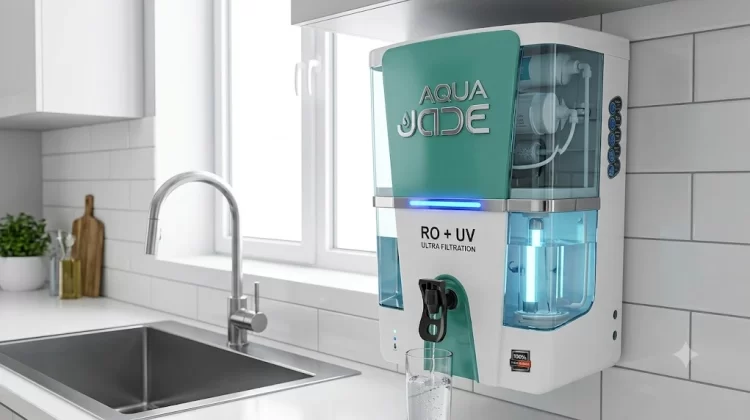
Recommended: RO + UV Water Purifier
Municipal Water
Generally has lower TDS but may contain bacteria and chlorine.
Recommended: UV or RO + UV Water Purifier
Tanker Water
Water quality can vary significantly.
Recommended: RO + UV + UF Water Purifier
Step 2: Check the Water TDS Level
TDS (Total Dissolved Solids) measures the amount of dissolved minerals in water.
| TDS Level | Recommendation |
|---|---|
| Below 200 ppm | UV or UF Purifier |
| 200–500 ppm | RO + UV |
| Above 500 ppm | RO + UV + TDS Controller |
A TDS test helps ensure you choose the most suitable purifier for your home’s water supply.
Step 3: Choose the Right Purification Technology
RO (Reverse Osmosis)
Best for removing dissolved salts, heavy metals, chemicals, and excess TDS.
Ideal for:
- Borewell water
- Tanker water
- Hard water
UV (Ultraviolet)
Kills bacteria and viruses without changing the taste of water.
Ideal for:
- Municipal water
- Low TDS water
UF (Ultrafiltration)
Removes suspended particles and microorganisms without electricity.
Ideal for:
- Low TDS water
RO + UV + UF
Provides comprehensive purification by combining multiple technologies.
Ideal for:
- Homes with varying water quality
- Families seeking maximum protection
Step 4: Consider Storage Capacity
Choose a purifier based on the size of your family.
| Family Members | Recommended Capacity |
|---|---|
| 1–3 | 6–8 Litres |
| 4–6 | 8–10 Litres |
| 6+ | 10–12 Litres |
A larger storage tank ensures uninterrupted access to purified water during power cuts.
Step 5: Look for Essential Features
When buying a water purifier, look for features such as:
- Multi-stage purification
- Active Copper Technology
- Alkaline Water Enhancement
- TDS Controller
- Smart Display
- Filter Change Indicator
- Auto Shut-Off
- Child Lock
- Stainless Steel Water Tank
- Energy-Efficient Operation
These features improve performance, convenience, and water quality.
Step 6: Check Service and Maintenance
Regular servicing is essential for maintaining purifier performance.
Choose a provider that offers:
- Professional installation
- Genuine spare parts
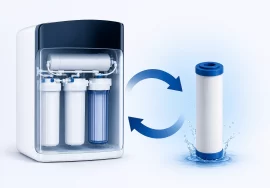
- Filter replacement
- Annual Maintenance Contracts (AMC)
- Fast customer support
- Experienced technicians
Reliable after-sales service extends the life of your purifier and ensures consistently safe drinking water.
Why Choose Sigma Aquaguard?
Regular servicing is essential for maintaining purifier performance.
Choose a provider that offers:
- Professional installation
- Genuine spare parts
- Filter replacement
- Annual Maintenance Contracts (AMC)
- Fast customer support
- Experienced technicians
Reliable after-sales service extends the life of your purifier and ensures consistently safe drinking water.
Frequently Asked Questions
An RO + UV water purifier is recommended because it effectively reduces high TDS and removes harmful contaminants.
Yes. Modern RO purifiers with TDS controllers retain essential minerals while removing harmful impurities.
Most filters should be replaced every 6–12 months, depending on water quality and usage.
Yes. An AMC helps maintain purifier efficiency, reduces unexpected repair costs, and ensures timely filter replacement.
Conclusion
Choosing the right water purifier depends on your water source, TDS level, family size, and maintenance requirements. Investing in a quality purifier not only improves the taste of your drinking water but also protects your family from harmful contaminants.
If you’re unsure which purifier is right for your home, Sigma Aquaguard can help you select the ideal solution based on your water quality and daily needs.