.png)
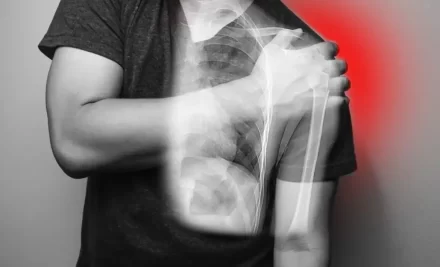
Recurrent shoulder dislocation is a condition where the shoulder joint dislocates multiple times, often due to an underlying issue with the shoulder's stability. This condition can be particularly debilitating, affecting daily activities and overall quality of life. Understanding the causes, recognizing the symptoms, and knowing the treatment options available are crucial for effective management. This article delves into recurrent shoulder dislocation, including its causes, symptoms, and the various treatment procedures that can help alleviate and manage this condition effectively.
What is Recurrent Shoulder Dislocation?
Recurrent shoulder dislocation refers to a condition where the shoulder joint repeatedly dislocates or partially dislocates. This usually happens when the head of the humerus (the upper arm bone) comes out of the glenoid (the shoulder socket). Unlike a single dislocation, recurrent dislocations occur repeatedly over time, often because the shoulder joint becomes unstable due to previous injuries or anatomical issues. This instability can be caused by various factors, including trauma, repetitive strain, or congenital conditions that affect the shoulder's stability.
Causes and Risk Factors
Several factors can contribute to recurrent shoulder dislocation. Understanding these causes and risk factors can help in managing and preventing the condition effectively.
- Trauma: A significant blow or injury to the shoulder, such as from a sports accident or a fall, can lead to dislocation. If not properly treated, the shoulder joint can become unstable and prone to recurrent dislocations.
- Repetitive Stress: Activities that involve repetitive overhead motions, such as swimming or throwing sports, can place stress on the shoulder joint, leading to instability and recurrent dislocations.
- Ligament Laxity: Some individuals have naturally loose ligaments, which can make the shoulder joint more prone to dislocating. This condition is often genetic and can affect multiple joints in the body.
- Previous Shoulder Injuries: Past dislocations or injuries can weaken the shoulder's supporting structures, making future dislocations more likely.
- Anatomical Abnormalities: Variations in shoulder anatomy, such as a shallow socket or structural abnormalities, can increase the risk of recurrent dislocation.
Symptoms of Recurrent Shoulder Dislocation
Recognizing the symptoms of recurrent shoulder dislocation is crucial for prompt treatment and management. Common symptoms include:
- Pain: Intense pain is often experienced during a dislocation episode. The pain may persist even after the shoulder is put back into place.
- Instability: A feeling of the shoulder "giving out" or feeling unstable is common. This may occur during certain movements or activities.
- Limited Range of Motion: Individuals may experience difficulty moving the shoulder through its full range of motion due to pain or instability.
- Swelling and Bruising: The affected shoulder may become swollen and bruised following a dislocation.
- Sensation Changes: Numbness or tingling in the arm or hand can occur if nerves are affected during the dislocation.
🦾 Did You Know?
Nearly 95% of first-time shoulder dislocations in young athletes can lead to recurrent instability if not properly rehabilitated. Early intervention is key to preventing chronic issues.
Diagnosis and Evaluation
Proper diagnosis and evaluation are essential for managing recurrent shoulder dislocation. This typically involves:
- Medical History: A thorough review of the patient's medical history, including previous shoulder injuries and dislocations, is crucial.
- Physical Examination: A physical examination assesses the shoulder's range of motion, stability, and any signs of pain or discomfort.
- Imaging Studies: X-rays, MRI scans, or CT scans may be used to visualize the shoulder's anatomy and identify any structural issues or damage to surrounding tissues.
- Special Tests: Certain diagnostic tests, such as the Apprehension Test or the Sulcus Sign Test, can help determine the presence of shoulder instability.
Treatment Options
Effective treatment for recurrent shoulder dislocation often involves a combination of non-surgical and surgical approaches. The choice of treatment depends on the severity of the dislocations, the patient's overall health, and their activity level.
1. Non-Surgical Treatment
For many patients, non-surgical methods can be effective in managing recurrent shoulder dislocation. These include:
- Rest and Ice: Resting the shoulder and applying ice can help reduce pain and swelling after a dislocation.
- Physical Therapy: A structured physical therapy program can strengthen the shoulder muscles, improve stability, and enhance the range of motion.
- Medications: Over-the-counter pain relievers or anti-inflammatory drugs can help manage pain and reduce inflammation.
2. Surgical Treatment
If non-surgical treatments are not effective, surgery may be necessary. Surgical options include:
- Arthroscopic Surgery: This minimally invasive procedure involves using small incisions and a camera to repair damaged tissues or tighten loose ligaments.
- Open Surgery: In more severe cases, open surgery may be required to repair or reconstruct the shoulder's supporting structures.
🏏 Success Story: From Recurrent Dislocations to Pain-Free Bowling
A 24-year-old fast bowler experienced three shoulder dislocations in two years. After arthroscopic stabilization surgery at NSR Orthopaedic followed by focused physiotherapy, he returned to competitive cricket within 6 months without any further instability episodes.
Preventive Measures
Preventing recurrent shoulder dislocation involves strategies to strengthen the shoulder and avoid situations that may lead to dislocations. Key preventive measures include:
- Strengthening Exercises: Engaging in regular exercises to strengthen the shoulder muscles and improve joint stability can reduce the risk of dislocations.
- Proper Technique: Using correct techniques in sports and physical activities can help prevent injuries that may lead to dislocations.
- Shoulder Bracing: In some cases, wearing a shoulder brace during activities may provide additional support and prevent dislocation.
- Avoiding High-Risk Activities: Identifying and avoiding activities that place excessive stress on the shoulder can help prevent recurrent dislocations.
Frequently Asked Questions
How can I tell if my shoulder is dislocated?
If you experience severe pain, a noticeable deformity in the shoulder, or difficulty moving the arm, it may be dislocated. If you suspect a dislocation, seek medical attention promptly.
Can recurrent shoulder dislocation lead to long-term complications?
Yes, repeated dislocations can damage the cartilage, bone, and ligaments, potentially leading to arthritis, chronic pain, and permanent instability if left untreated.
What activities should I avoid if I have recurrent shoulder dislocation?
High-risk activities include overhead throwing, heavy lifting, contact sports like football or rugby, and any motion that forces the arm into an extreme external rotation position.
How long does recovery take after shoulder surgery?
Recovery typically takes 4-6 months with proper rehabilitation. Most patients return to light activities within 3 months and sports at 6-9 months post-surgery.
Conclusion
Recurrent shoulder dislocation is a challenging condition that requires a comprehensive approach to treatment and management. Understanding what causes recurrent dislocations, recognizing the symptoms, and exploring both non-surgical and surgical treatment options are essential for effective care. Additionally, implementing preventive measures can help reduce the risk of future dislocations. By addressing recurrent shoulder dislocation with a tailored treatment plan and preventive strategies, individuals can achieve improved shoulder stability and return to their daily activities with greater confidence. At NSR Orthopaedic & Wellness Centre, our expert team provides personalized care to help you overcome shoulder instability and regain an active lifestyle.